Round-the-clock recording requires more than a strong network connection. A wireless camera must also have a storage system capable of receiving and preserving continuous video data without interruption. This makes storage one of the most defining factors behind stable, long-duration recording. When storage performs well, the camera can capture every moment with predictable flow and reliable retention. Eufy offers a variety of storage solutions that support long-term video recording and are easy to use. Selecting the right storage method helps homeowners rely on a continuous recording security camera that delivers consistent coverage throughout the day.
How Local Storage Enables Continuous Recording?
MicroSD Cards That Support Direct-On-Device Recording
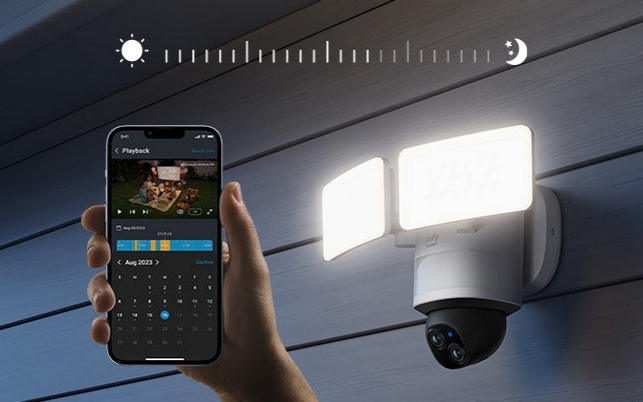
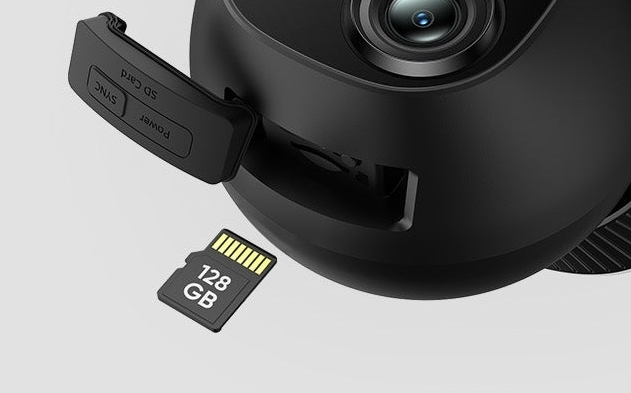
Many wireless cameras record directly to a microSD card inserted into the device. This method keeps video processing and storage close to the source, reducing the risk of interruptions caused by network conditions. When the camera writes data straight to its own card, it eliminates data transfer delays, helping the recording remain smooth. Homeowners value this setup because it allows them to access footage easily by reviewing the card or browsing clips through the app. Eufy handles local storage well, offering predictable recordings that remain stable even during network fluctuations.
High-Endurance Cards That Handle Constant Writing
Round-the-clock recording places continuous demands on the storage media used in a security system. Not all memory cards are designed for constant writing, which is why high-endurance cards are strongly recommended. These cards are engineered to withstand ongoing data cycles, reducing wear while maintaining stable write speeds over time. A wireless camera that operates 24 hours a day clearly benefits from storage built for durability and reliability. Eufy works smoothly with high-endurance cards, enabling the system to store large volumes of footage without performance drops, errors, or frequent card replacements, creating a dependable long-term storage solution.
Camera-Controlled File Management That Prevents Overruns
When the camera manages its own recordings, it can automatically overwrite older files once the available storage is full. This process ensures the system continues saving new footage without requiring any user action. Such intelligent file management is especially important for 24-hour recording, where manual deletion would be unrealistic and time-consuming. The camera automatically determines how to replace older files while preserving the most recent and relevant footage. Eufy’s file management system helps prevent recording interruptions, enabling continuous operation. Automatic file rotation ensures seamless recording, giving homeowners peace of mind that their footage stays current, reliable, and easily accessible when needed.
How Hub-Based Storage Systems Strengthen Recording Stability?
Dedicated Hubs That Handle Heavy Data Streams
Some wireless security ecosystems use a home base or hub to collect and store recordings. This design offloads storage duties from the camera, allowing the camera to focus on capturing footage while the hub manages writing and retention. A dedicated hub typically has stronger processing capability, which helps maintain stable recording. Eufy’s hub-based solutions perform consistently because the camera and hub communicate efficiently. With the hub taking on the burden of storage, the system creates a reliable path for continuous recording, even when the data stream is heavy.
Central Storage That Supports Multiple Cameras
A hub can support several cameras at once, making it suitable for homes with wide coverage needs. Instead of managing storage individually for each device, the system stores all footage in one place. This unified approach simplifies retrieval and ensures that each camera contributes to a coordinated security system. Homeowners value this structure because it creates an organized archive. Eufy works naturally in this configuration, offering clear access to clips from different areas of the property. Central storage allows round-the-clock systems to scale efficiently.
Stable Communication Paths That Reduce Data Loss
When a camera stores footage on a hub, the system relies on a stable connection between the two devices. The hub usually sits closer to the router, allowing stronger reception and a more predictable data pipeline. This reduces the risk of clipped recordings or partial clips caused by wireless interference. Eufy maintains a stable connection between the camera and the hub, creating a reliable video recording chain from capture to storage. With this approach, the storage system becomes a strong anchor for uninterrupted, long-duration footage.
Conclusion
24-hour wireless recording depends on a storage system capable of absorbing constant data flow and preserving footage without interruption. Local microSD cards support direct recording and offer easy retrieval, while high-endurance media and automated file management improve reliability. Hub-based systems provide scalable storage, stronger processing, and centralized organization that benefit homes with multiple devices. While balancing these storage methods, eufy's design also supports stable and reliable 24/7 video recording. When the storage system works with the camera and the network as a unified structure, a continuous recording security camera delivers complete, dependable coverage across the entire day.