Power outages, increased energy bills, and outdoor activities have prompted many homeowners to seek flexible power options. A portable solar generator is a convenient method to keep vital equipment operating without consuming gasoline or making noise. Buyers desire reliable backup power, as well as sustainable energy that can be used anywhere. The market now includes both compact camping units and high-capacity systems for home emergencies. Choosing the appropriate one necessitates a grasp of features, performance, and future worth. This tutorial describes how portable solar generators function, what characteristics are most important, and why they might be a good investment.
What Is a Portable Solar Generator and How Does It Work?
A portable solar generator is a small power station that stores energy in an internal battery and provides electricity via AC and DC plugs. Unlike gas generators, it does not require fuel. Instead, solar panels turn sunlight into direct current (DC) power. The generator's charge controller manages and stores electricity in the battery. An inverter subsequently transforms the stored DC power to alternating current (AC), which powers home devices and appliances. Users may also charge their batteries using a home outlet or a vehicle port. This simple system delivers noiseless, emission-free electricity for homes, automobiles, and outdoor activities.
Key Features to Look for Before You Buy
Battery Capacity and Battery Type (Lithium-ion vs. LiFePO4)
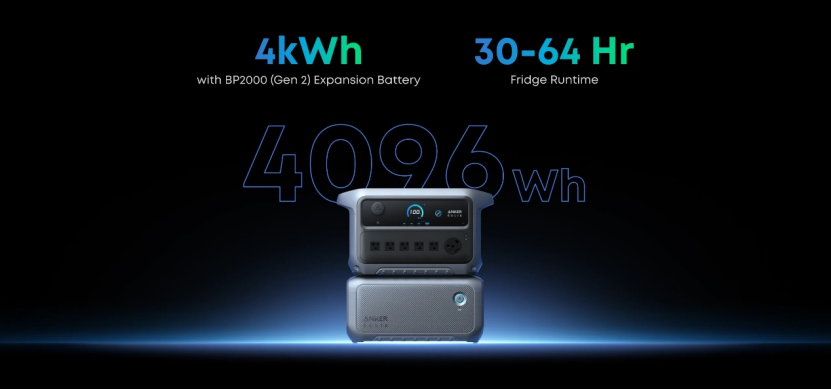
The battery capacity influences how long the generator will power your gadgets. Watt-hours (Wh) are the units used by manufacturers to quantify capacity. A greater Wh rating indicates that refrigerators, computers, and medical gadgets will run for longer periods of time. Battery type also influences longevity and safety. Lithium-ion batteries are lighter and more compact, enhancing portability. However, LiFePO4 batteries last longer, can endure more charge cycles, and have higher thermal stability. Many purchasers now prefer LiFePO4 since it may survive for several years with consistent use. Always compare cycle life, warranty periods, and overall capacity. These elements have a direct influence on longevity, long-term value, and overall performance.
Power Output, AC Outlets, and Surge Wattage
The power output decides which devices the generator can power. Check the rated wattage to determine how much continuous power the item can provide. If you want to use appliances such as a microwave or power tools, get a model with a larger wattage. Surge wattage is particularly important since some products, such as refrigerators, require more power at startup. A generator with a high surge capacity prevents overload and shutdown. Check the quantity and kind of outlets as well. Most versions have AC outlets, USB ports, and DC outputs. With more outlet options, you can charge many devices simultaneously without the need for adapters or extension cables.
Portability, Weight, Durability, and Charging Options
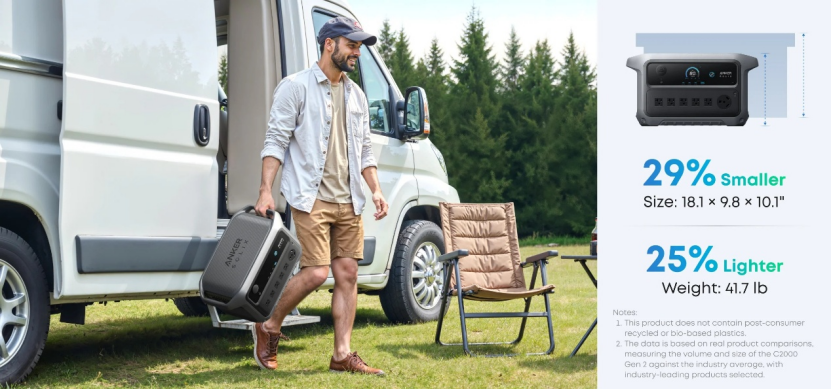
Portability affects how easily you can move a portable solar power generator between locations. Lighter variants with built-in handles are ideal for camping and road excursions. Wheels may be included on heavier, high-capacity units to make transportation simpler. Examine the construction quality as well. A sturdy enclosure shields internal components from damage and weather exposure. Charging flexibility increases convenience. Many generators enable solar, wall, and automobile charging. Some sophisticated versions even provide dual charging for quicker battery replenishment. Before purchasing, make sure the charging speed and solar panel input are compatible. These practical elements guarantee that the portable solar power generator matches your lifestyle, travel plans, and emergency preparation requirements.
Why Is a Portable Solar Generator Worth the Investment?
Reliable Backup Power for Home Emergencies
Storms, grid outages, and natural disasters can knock out electricity without notice. During these circumstances, a portable solar generator powers crucial gadgets. You can run freezers, routers, lights, and medical equipment without using fuel. Unlike typical generators, solar units run silently and emit no pollutants, making them suitable for interior usage. Many homes keep a fully charged device on hand for emergencies and use solar panels to recharge it during prolonged power outages. This amount of independence decreases stress and safeguards food, communication systems, and medical gadgets. Families benefit from reliable backup power, which provides them with security and peace of mind.
Clean Energy for Camping, RV, and Outdoor Adventures
Outdoor enthusiasts want reliable electricity with minimal noise or pollution. A portable solar generator enables campers and RV owners to operate lights, portable refrigerators, fans, and small appliances off-grid. Solar panels recharge the battery during the day, allowing users to extend their journeys without the need for connections. Unlike gas generators, solar systems do not disturb wildlife or nearby campers. They also need less maintenance because there is no engine or fuel system. Travellers may safely store the generator inside a tent or RV. This clean, silent performance improves comfort while protecting the natural environment.
Long-Term Savings and Environmental Benefits
A portable solar generator minimises the need for gasoline and grid energy. Although the initial investment may appear hefty, consumers save money over time by reducing gasoline expenditures and cutting electricity bills. Solar charging uses free sunshine, which reduces ongoing operational expenses. LiFePO4 batteries can be recharged thousands of times before needing to be replaced. Clean energy also reduces carbon emissions and air pollution. Households that use solar electricity help to create a more sustainable energy system. Over time, the combined savings and environmental advantages might surpass the initial expenditure and provide significant total value.
Conclusion
A portable solar generator combines convenience, safety, and sustainability into a single, small solution. Buyers should consider battery capacity, output power, durability, and charging flexibility before making a purchase. The correct model can secure your house from power disruptions, enable outdoor vacation, and lower long-term energy bills. Solar systems, unlike fuel-powered generators, work silently and emit no pollutants. They provide consistent performance with minimum maintenance. When you select a generator that meets your power requirements and lifestyle, you receive dependable power wherever you go and more control over your energy future.