Wearable breast pumps have revolutionized the way mothers can breastfeed while managing their busy lives. These devices offer convenience and mobility, allowing mothers to express milk hands-free while performing other tasks. The simplicity of these pumps lies in their compact design, enabling discreet usage without compromising efficiency. Unlike traditional models, wearable breast pumps fit directly into a bra, making them ideal for public or work settings. Understanding how these pumps function and their components can help you choose the right model to meet your needs. They combine technology and comfort, ensuring optimal milk expression with minimal effort. This guide delves into the mechanics behind wearable pumps, their key components, and how to select the best one for you.
How Wearable Breast Pumps Function
Creating Suction Without External Tubes
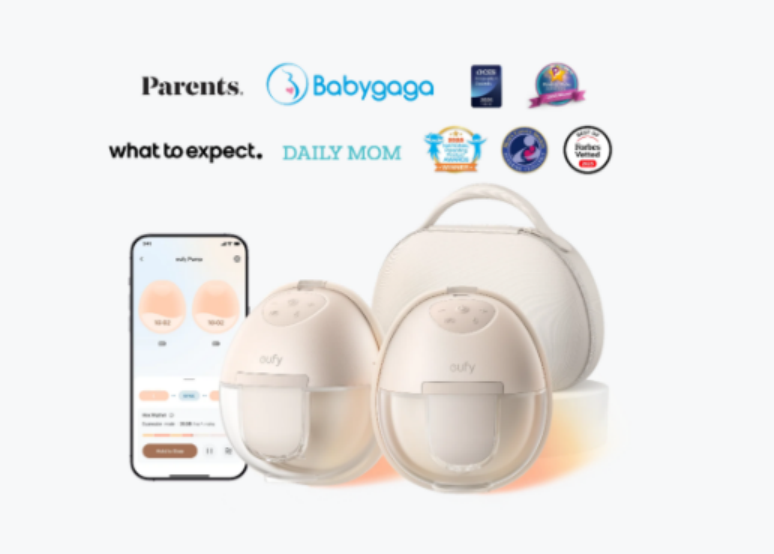
Wearable breast pumps operate on a straightforward mechanism that eliminates the need for external tubes. The devices contain compact, built-in motors that generate suction directly within the pump itself. This motor-driven suction mimics a baby’s suckling action, stimulating milk flow effectively. The lack of tubes streamlines the pump’s design, allowing it to fit comfortably within a bra. This makes the pumps discreet and convenient for on-the-go use. With various suction levels available, mothers can adjust settings to match their comfort and maximize milk extraction. By incorporating advanced technology, wearable breast pumps ensure consistent pressure and efficiency, making them a popular choice for modern mothers seeking flexibility.
Milk Collection and Storage Inside the Pump
Once the suction is applied, milk is expressed directly into a storage container within the pump’s body. These containers are designed to hold milk securely, preventing leaks and spills during use. Typically, the milk collection reservoirs are made from safe, BPA-free materials to ensure the milk remains uncontaminated. After expressing, the containers can be easily detached for storage. Many wearable pumps include indicators or sensors that alert when the container is full, ensuring efficient milk management. This built-in collection system simplifies the storage process, offering convenience compared to traditional pumps that require external bottles or bags.
Key Components That Make Wearable Pumps Work
Motors, Flanges, and Diaphragms Explained
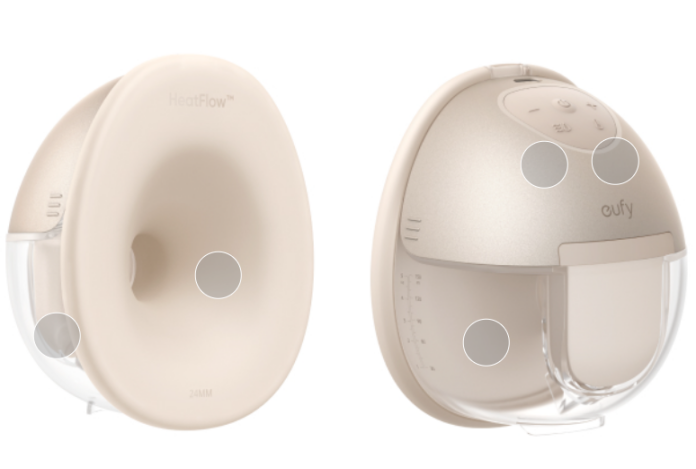
The motor is arguably the most crucial component in a wearable breast pump, providing the necessary power for suction. Flanges, or breast shields, are designed to fit snugly over the breast, forming a seal that facilitates effective milk expression. These components must be properly sized to ensure comfort and optimal performance. Diaphragms in the pump also play a critical role by maintaining suction and preventing milk or air from leaking into the tubing. They work in conjunction with the motor, ensuring a consistent cycle of suction and release. Together, these parts create a harmonious system that mimics natural nursing, making the pumping process efficient and comfortable.
Power, Controls, and Smart Features
Wearable breast pumps are equipped with power systems that support rechargeable batteries, promoting portability and freedom from constant electrical outlets. Controls are typically integrated into the pump, allowing easy adjustments to suction strength and speed. Some models offer smart features, such as Bluetooth connectivity, enabling mothers to track their pumping sessions via smartphone apps. These technological advancements enhance user experience, providing insights into milk volume and pumping duration. Smart features not only make the pumps more convenient but also help mothers manage their breastfeeding routines effectively.
Choosing the Right Wearable Breast Pump
Fit, Comfort, and Suction Strength
Selecting a wearable breast pump involves considering fit and comfort. The pump should seamlessly fit within your bra, offering a snug yet comfortable seal. Proper fitting flanges are crucial to avoid discomfort and ensure efficient milk flow. Suction strength is another important factor; you’ll want a pump with adjustable settings to cater to your personal comfort level. Comfort can also be influenced by the weight of the pump, so opting for lightweight models can enhance ease of use over extended periods. By evaluating these aspects, mothers can find a pump that caters to their unique needs.
Comparing Wearable Pumps to Traditional Models
Wearable breast pumps present distinct advantages over traditional counterparts, starting with convenience and discretion. While traditional models often require external tubes and power sources, wearable versions offer autonomy without cumbersome attachments. The compact design of wearable pumps enables discreet usage in diverse settings unlike larger, bulkier traditional pumps. Moreover, ease of cleaning and maintenance adds to the appeal, as fewer parts mean simpler care routines. These factors make wearable pumps an attractive option for mothers seeking flexibility and efficiency without sacrificing the quality of their breastfeeding experience.
Conclusion
Wearable breast pumps have emerged as an invaluable tool for mothers combining breastfeeding with other activities. Their efficient design allows for hands-free operation, integrating advanced technology and user-friendly features. Choosing the right pump involves understanding its components and potential benefits compared to traditional models, ensuring it meets individual needs for comfort and efficiency. As the demand for flexible breastfeeding solutions continues to grow, wearable breast pumps stand out as a modern innovation, providing mothers with the freedom to express milk whenever and wherever they choose. With this guide, you’re now equipped to make an informed decision tailored to your motherhood journey.